article class="project-detail">
← Back to projects

Smartnumbers Consortium

A cross-bank fraud intelligence platform that turned 250 isolated fraudster profiles into 961 connected records — a 284% increase in known threats — by giving banks a legally safe way to share intelligence they'd always had but never connected.

Role Lead Product Designer
Timeline 18 months
Team Product Designer · Product Manager · 4x Engineers · ML Engineer · Compliance teams · Legal
Data AnalysisMulti-tenancyComplianceDesign StrategyFraud Intelligence
961 Known Fraudsters
11,042 Intelligence Shares
18,379 Numbers Flagged
01

The Problem

Fraud investigators at different banks often held intelligence on the same fraudster without knowing it. Cross-bank sharing meant a human picking up a phone, taking days, and often never happening at all. Each bank's data was rich, but siloed, and compliance had no framework for a shared view. Fraud moves in hours; the system moved in days, if it moved at all.

Three banks each holding contradictory intelligence on the same person — FRAUD, SUSPICIOUS, and GENUINE — with no shared view between them.
02

My Role

I owned discovery, UX strategy, interaction design, design system components, and the compliance-safe information architecture, embedded with product and engineering as the only designer on the team, not a handoff role.

03

Discovery: A Hunch Becomes Data

It started with a question: what if a meaningful share of fraudsters appearing in one bank's data were also appearing in another's?

Insight

Hypothesis: if fraudsters appearing in one bank's data also appeared in another's, the value proposition for sharing intelligence changes entirely.

I taught myself enough Python to run cross-tenant queries against live data across four banks, and found that 52% of fraudster profiles had crossover across institutions. That number became my internal stakeholder stat. It reframed the conversation from "maybe we should share intelligence" to "here is the scale of what we're currently missing."

Profiles Analysed 250
Institutions 4
Crossover Found 52%
Impact

52% of fraudster profiles had crossover across institutions. The intelligence was already there; it just needed to be connected.

Buy-in didn't come quickly. It took six months to get full alignment, because the compliance and legal implications were significant. The turning point was external: industry signals started pointing toward cross-institution information sharing becoming the expected direction. Because we'd already done the analysis and groundwork, we were positioned to move as soon as that window opened.

Alongside the data work, I scheduled calls with fraud investigators across banks to understand what intelligence they'd actually be willing to share, and where the legal and psychological boundaries sat. The key finding: investigators wanted to collaborate; confidence, not willingness, was the barrier. They didn't know what they could legally share.

Insight

Investigators wanted to collaborate. Confidence, not willingness, was the barrier: they didn't know what they could legally share.

04

The Compliance Wall

The compliance team was clear: free-text data shared across organisations was a GDPR risk. One stray field — a name, a card number or an address — and the bank holding it would be liable.

Warning

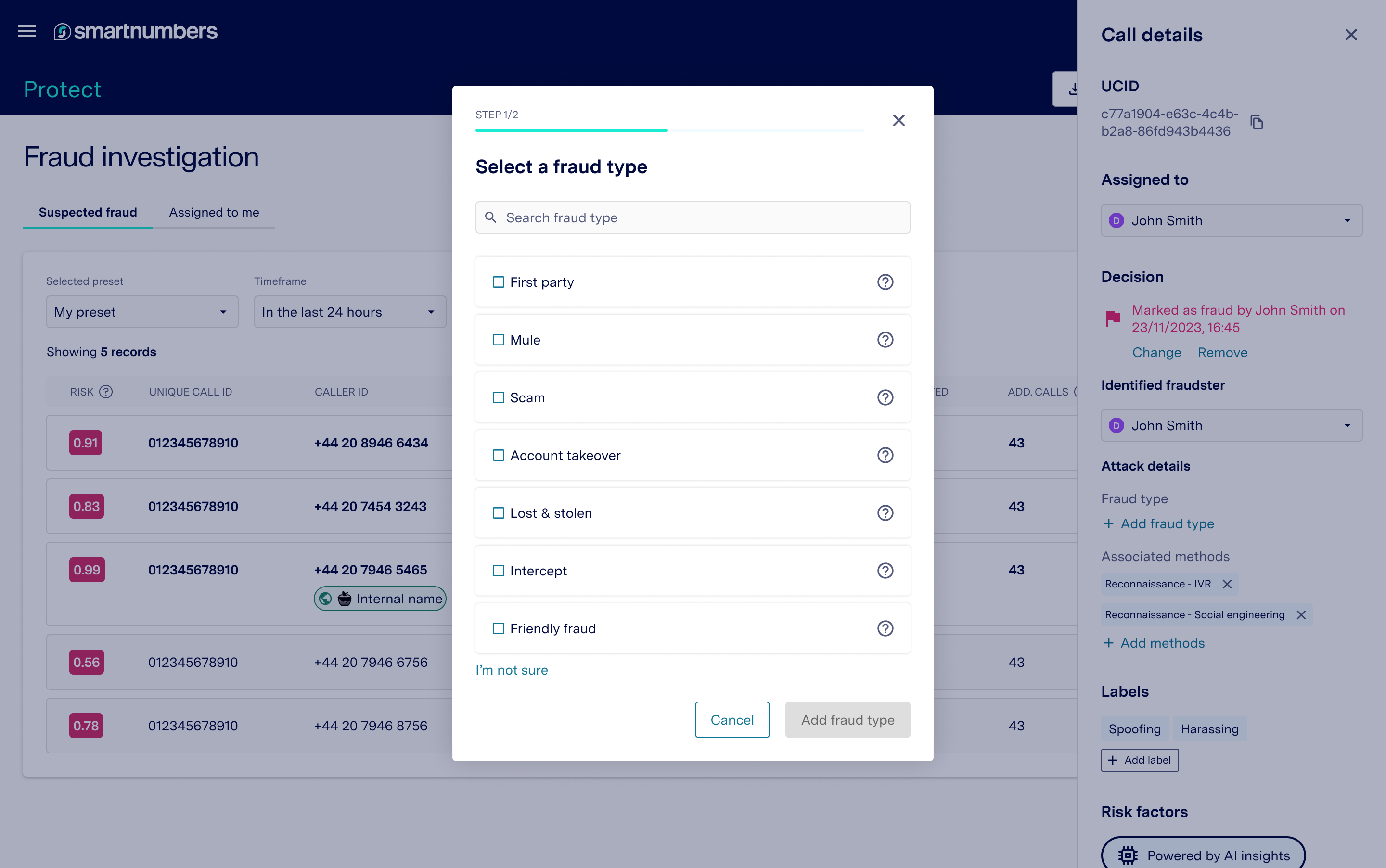
The Blocker: free-text data shared across organisations was a GDPR risk. One stray field — a name or a card number — and the bank holding it would be liable.

That confidence gap investigators described is exactly why a fixed schema mattered: not to be restrictive, but to give investigators a vetted set of shareable fields so they didn't have to guess their legal exposure. The standardised schema also fed downstream data science work cleanly, without forcing any bank to change its internal taxonomy.

Impact

The Pivot: a fixed, vetted schema meant investigators never had to guess their legal exposure, and it gave the data science team clean, queryable data for free.

05

Design Decisions

Canonical identity across tenants

Each bank referred to the same fraudster differently internally. I designed a consortium-level canonical name and relationship graph that sat above tenant data. Without it, the crossover I'd found in the data would never surface in the product.

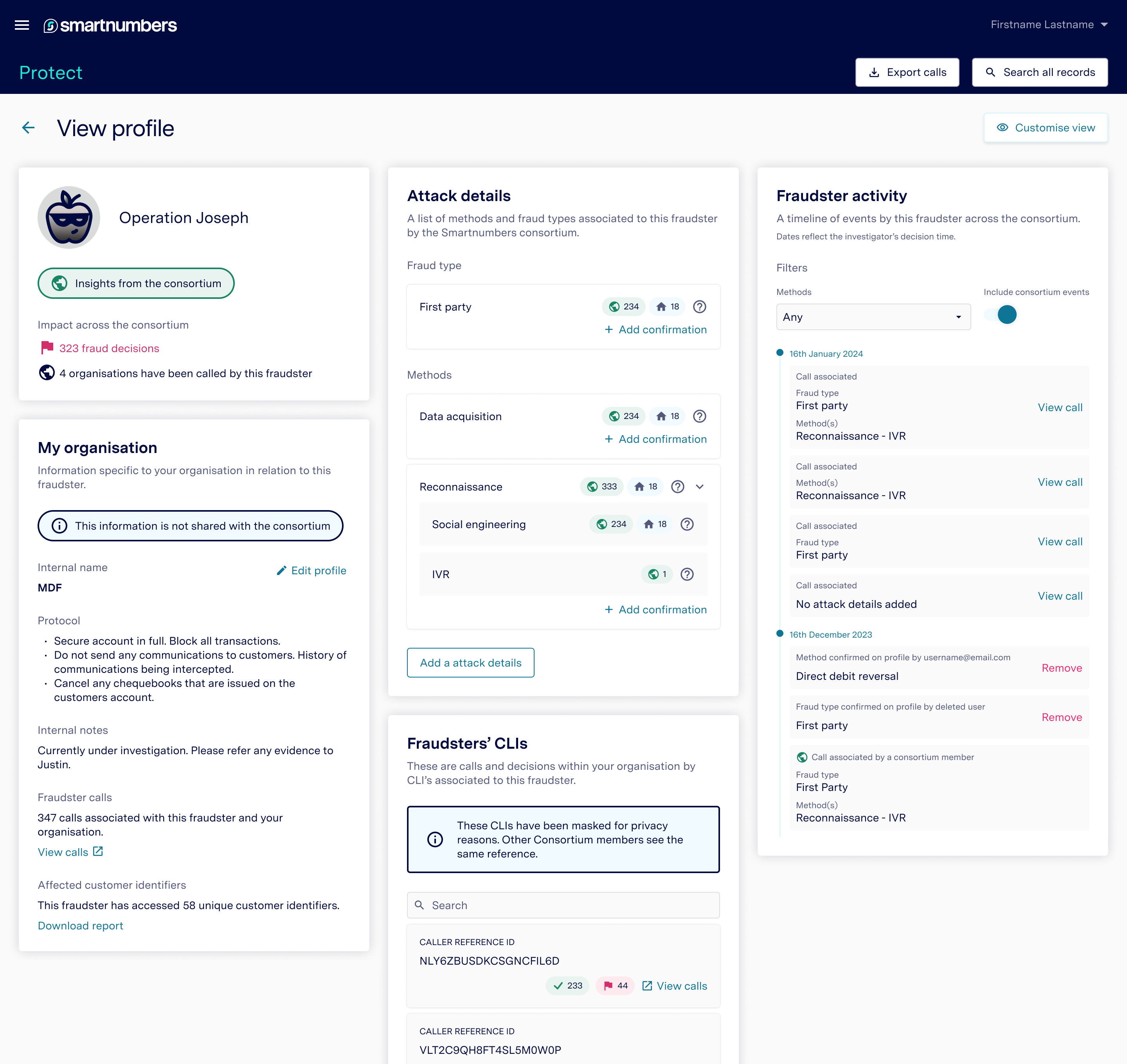
Smartnumbers - Fraudster profile
All of the information an organisation has on a fraudster that is PII compliant.

A fixed schema, chosen with users

I ran three schema options with investigators and recommended the one that balanced speed of input against standardisation, making cross-bank intelligence queryable without forcing any bank to rebuild their internal systems.

Scoping out voice clips, deliberately

Investigators asked for the ability to share voice clips. We were building a text-only signalling layer, not a case management system, and legal restrictions on cross-organisation audio meant supporting it would have ballooned compliance risk for a feature that wasn't core to the value proposition. We kept the product focused on names, relationships, and structured call notes, staying launchable and not promising what we couldn't safely deliver.

06

Building in Slices

The scope was large enough that releasing everything at once would have taken months, and demand was already there. I sliced the work into five incremental releases: structured fraud-type input first, then a cross-network activity feed, then call history and timelines per profile, then consortium chat, then API automation pushing data to downstream prevention systems. Each slice delivered standalone value while building toward the full platform.

1

Foundation

Structured fraud types and methods. Standardised data input from day one.

2

Visibility

Cross-network activity feed showing how fraudsters attack across institutions.

3

Deep Investigation

Call history and cross-organisational timeline for each fraudster profile.

4

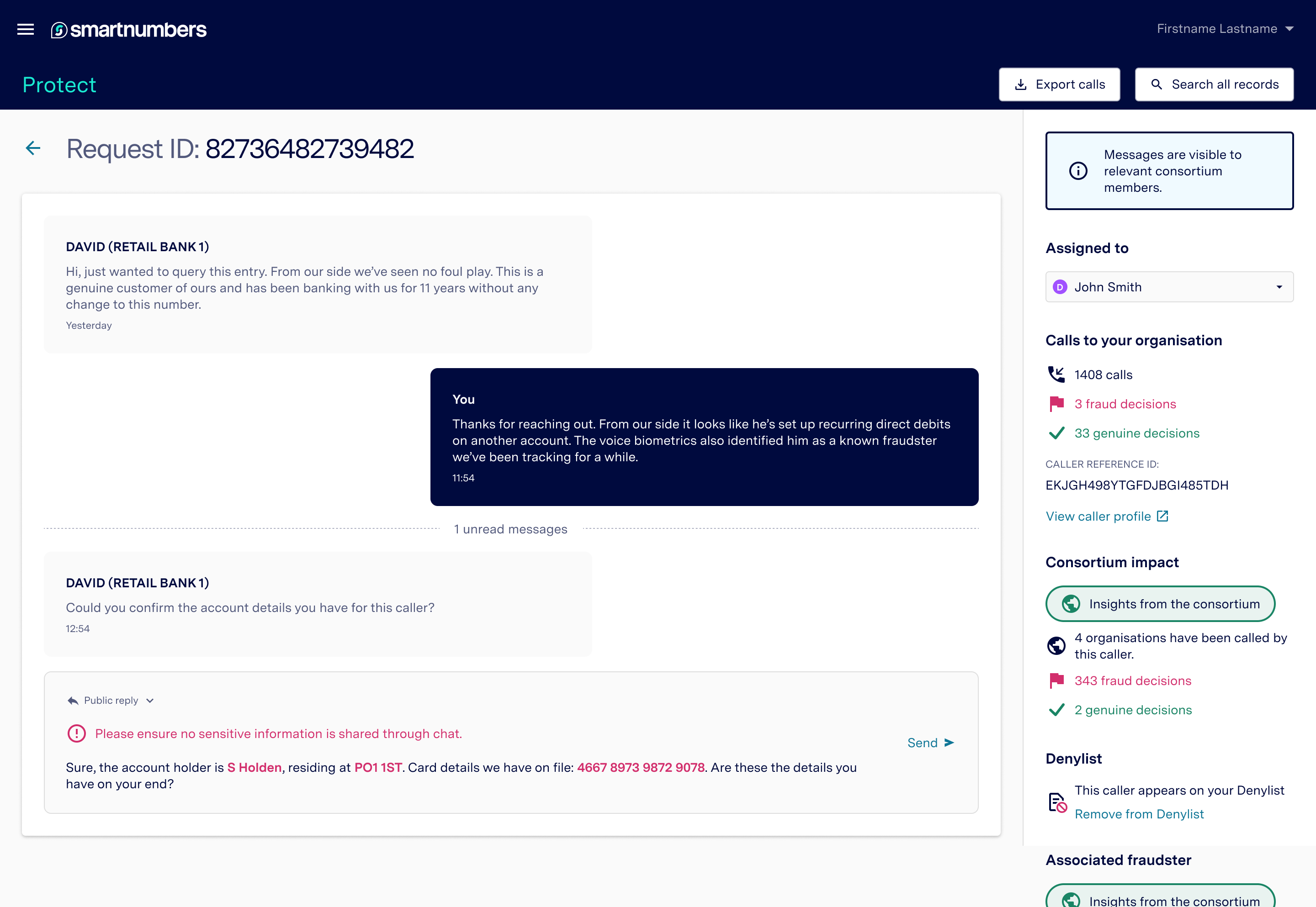
Collaboration

Consortium chat launches. Investigators communicate directly, share insights.

5

Automation

API pushes consortium data to downstream prevention systems. Automatic protection.

07

What I Got Wrong

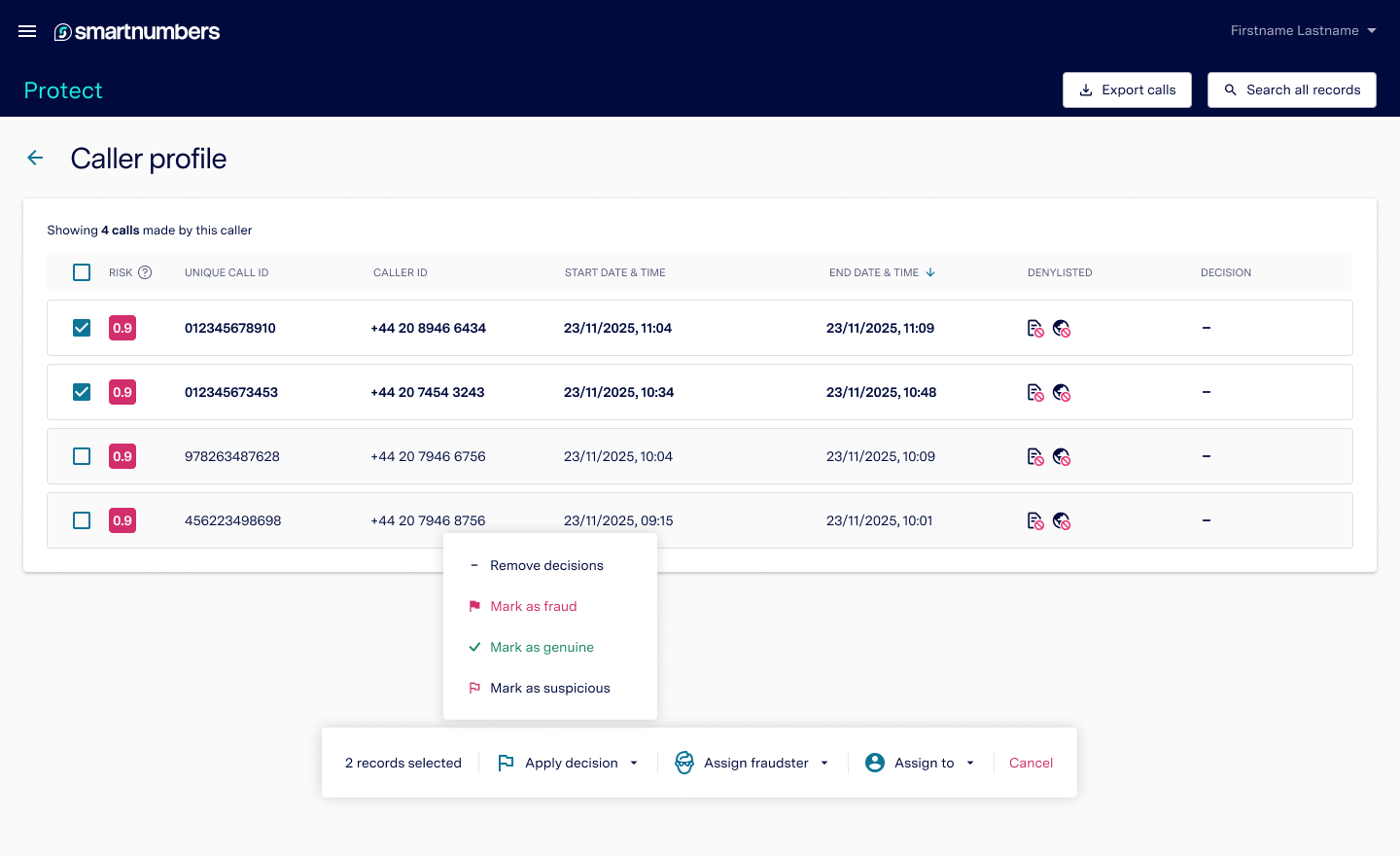
I designed the intelligence-tagging flow around the ideal analyst workflow: add intelligence per individual record, per call. In reality, investigators spot patterns across batches of calls and wanted to tag a fraudster once and apply it across many records at once. We launched without that bulk-apply flow, and adoption of the intelligence layer stayed low because the entry point was too granular.

Warning

I designed for the ideal workflow: tag one record at a time. Investigators actually worked in batches. Adoption of the intelligence layer stayed low because the entry point was too granular.

The signal wasn't subtle: support tickets piled up and CSAT feedback was consistent. I used that to scope and design the bulk-apply flow and presented it to the PM as the next priority. It was designed, but deprioritised against other work, and I left before it shipped. The lesson stuck: design for the workflow people actually have, not the one that's easiest to build first, and anchor priority calls in surfaced user pain, not roadmap convenience.

Bulk apply selection
Designed and scoped from real support-ticket evidence, deprioritised before I left, but the right call was clear.
08

What We Learned

Timing Matters

First release used a button to trigger data input, barely used. Second release triggered automatically. 10x increase in data capture.

Trust is the Product

Investigators rely on Smartnumbers to be a fair gatekeeper of shared intelligence. Built a dedicated dispute-handling interface to protect that.

Demand Outpaced Delivery

The feature was anticipated enough that we had to move to dual-stream development to keep up with requests.

09

Outcome

  • 250 isolated fraudster profiles → 961 connected records across the consortium
  • 284% increase in known threats within 18 months
  • 11,042 intelligence shares, 18,379 numbers flagged
  • 52% crossover rate was the founding insight that justified building this at all
10

What I'd Do Differently

  • Map batch workflows before optimising individual screens
  • Surface compliance constraints during feature definition, not at review
  • Give investigators' local intelligence labels parity with consortium views, to preserve their existing mental model

From Silos to Shield

Smartnumbers Consortium transformed isolated fraud investigations into a collective defence network. What started as a data analysis hunch became a platform that protects millions of customers.

“The best part? An investigator at Bank A now knows within seconds if a caller has already been flagged by Bank B. The fraudster's game is up.”

— Fraud Investigator