myrecovery.ai
Surgical recovery platform connecting surgeons and patients for better outcomes through seamless care coordination
Opportunity
Post-surgical recovery is fragmented. Patients struggle with pain management, forget exercises, and flood clinics with calls. Surgeons lack visibility into recovery progress between appointments.
The Team
Product Designer, 2 Engineers, 1 PM, Clinical Advisors
Wins
- Significant reduction in patient support calls
- Improved patient compliance with exercise protocols
- Enhanced surgeon visibility into recovery timelines
- Streamlined pre-surgical preparation process
The Recovery Gap
Surgery doesn't end when you leave the hospital. It begins. Yet patients are sent home with paper instructions, forgotten exercises, and no way to communicate with their care team until the next appointment.
The Outcome
A surgical recovery platform connecting surgeons and patients for better outcomes through seamless care coordination.
Support Calls
Compliance
Intervention
Scroll to find out how we did it
The Challenge
Two Users, One Journey
We had two distinct users with interconnected needs:
Surgeons
Need visibility into patient recovery between appointments. Want to track progress, manage appointments, and intervene when pain spikes.
Patients
Struggling with pain management, forgetting exercises, confused about protocols. Calling assistants constantly for reassurance.
The Core Problem: Recovery happens at home, but care coordination happens in the clinic. We needed to bridge that gap.
Pain Management Tracking
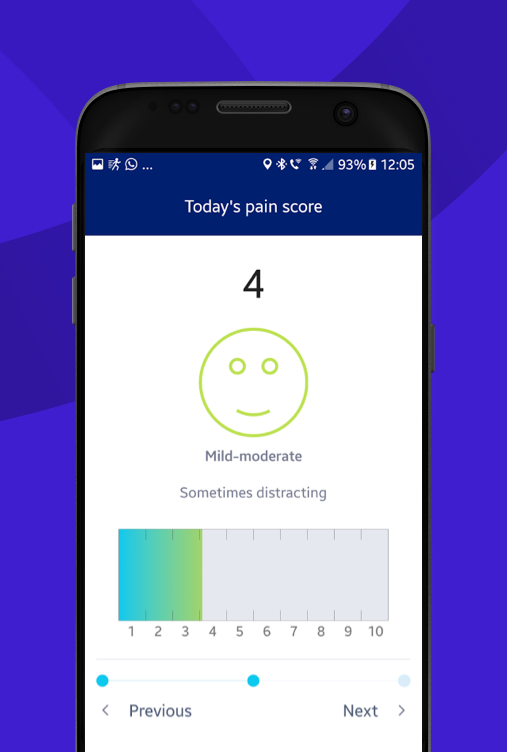
Pain is subjective but trackable. We built a simple daily pain scoring system that revealed patterns surgeons could act on.
The Insight: Pain levels vary dramatically by surgery type and recovery day. A "3" on day 2 might be normal, but a "3" on day 14 could signal complications.
Daily Scoring
Patients log pain levels in 30 seconds. Visual trends show recovery trajectory.
Smart Alerts
Surgeons notified when pain spikes exceed expected ranges for specific procedures.
Trend Analysis
Compare patient progress against procedure-specific baselines.
Impact: Surgeons could spot complications days before they would have been caught at the next appointment. Early intervention became possible.
Bespoke Exercise Programmes
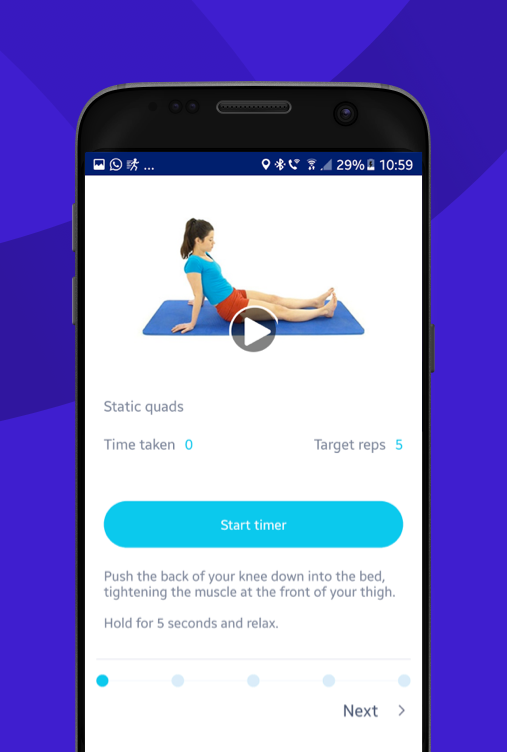
Recovery requires movement, but the wrong movement can cause damage. Every surgery needs a tailored exercise protocol.
The Design Challenge: Make exercise adherence effortless while ensuring patients do exactly what their surgeon prescribed.
Surgeon-Curated
Each exercise programme is bespoke, created by the operating surgeon for that specific patient's circumstances.
Timed Reminders
Push notifications at optimal times. Morning stretches, afternoon walks, evening relaxation.
Progress Tracking
Patients check off completed exercises. Surgeons see compliance rates at a glance.
Video Demonstrations: Every exercise includes video guidance showing proper form, reducing injury risk and patient anxiety.
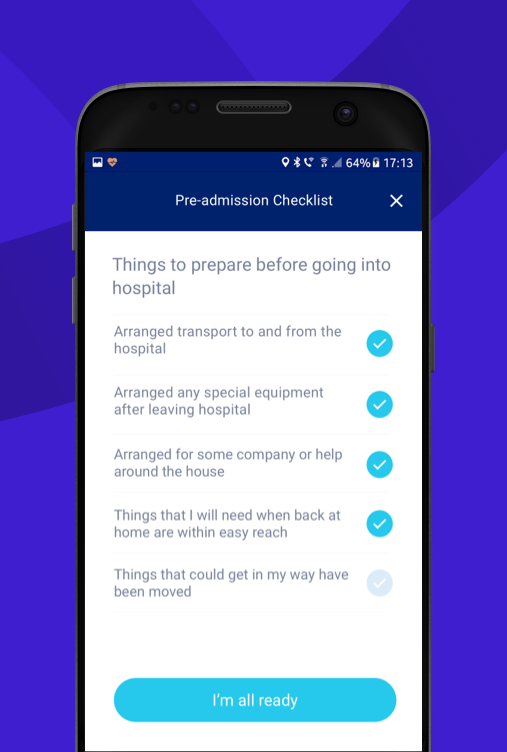
Pre-Surgical Preparation
Recovery doesn't start after surgery. It starts weeks before.
We designed the app to guide patients through pre-operative preparation: medication adjustments, fasting protocols, what to bring, what to expect.
Efficiency Gains: Pre-surgical preparation checklists reduced day-of-surgery delays and cancellations. Patients arrived ready, informed, and calm.
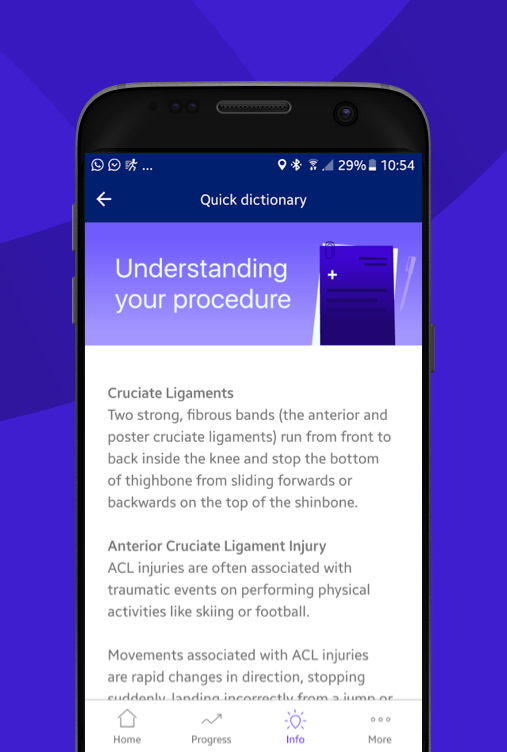
In-App Knowledge Base
The phone calls were relentless. Patients forgot instructions, lost paperwork, or panicked at 2 AM.
The Solution: A comprehensive, searchable knowledge base built directly into the app.
Instant Search
Patients find answers in seconds, not hours waiting for a callback.
Always Available
24/7 access to recovery information, medication guides, and FAQ.
Bookmarked Resources
Patients save critical info for quick reference during recovery.
Support Call Reduction: The knowledge base dramatically reduced patient calls to surgical assistants, freeing staff time for critical care.
What We Learned
Recovery Happens at Home
Design for the living room, not the clinic. Simple, clear, and accessible beats comprehensive but confusing.
Timing is Critical
Reminders matter, but timing matters more. Morning exercises reminded at 8 AM, not midnight.
Two-Way Visibility
Patients want to know their surgeon is watching. Surgeons want data without being overwhelmed. Balance is key.
Connected Care
myrecovery.ai transformed surgical recovery from a black box into a connected journey. Surgeons gained visibility. Patients gained confidence. And the gap between hospital and home finally closed.
"The best surgical outcomes happen when patients feel supported every step of the way—not just in the operating room."